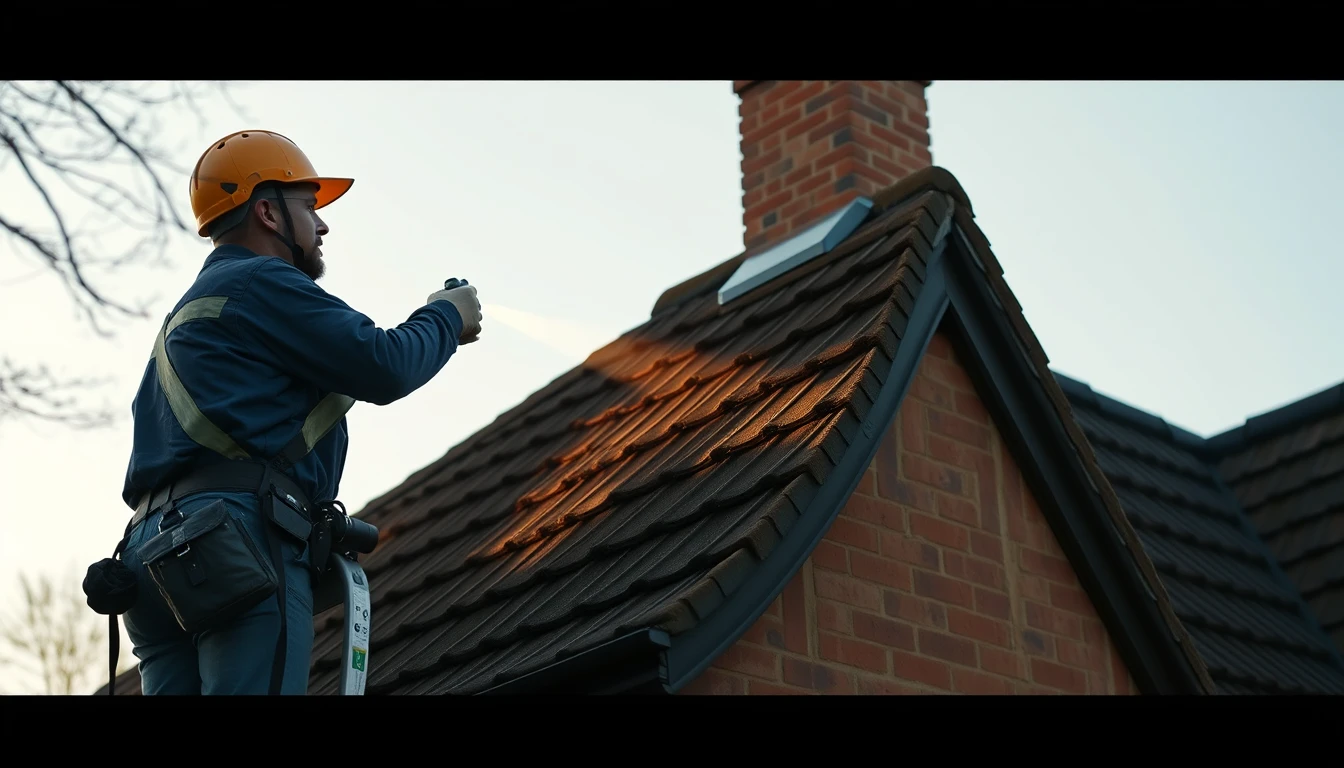
Most homeowners never think about their roof until water comes through a ceiling. By then, a simple repair has often turned into an expensive job. A regular inspection catches problems early. It costs far less than fixing storm damage or a rotten rafter later.
This guide explains how often to check a roof and which events mean you should check it sooner. It also covers what a proper inspection should include.
The general rule: once a year, with exceptions
For a roof in good condition, once a year is the baseline most roofing professionals recommend. Some suggest twice yearly, in spring and autumn. That catches winter damage and anything that loosened over summer, according to S Jones Roofing’s guide for UK homeowners. That baseline shifts, since roof age, roof type and local exposure all change the risk.
- Roof age — an older roof, especially one past 15-20 years, needs checking more often than a recently replaced one, because materials degrade and small movements become more likely over time
- Roof type — flat roofs need more frequent attention than pitched tile or slate, because standing water and membrane joints fail more easily than lapped tiles
- Local exposure — a roof under trees, facing prevailing wind, or on an exposed site picks up debris, moss and wind-lift faster than a sheltered one
Homes around Bracknell and Newbury see the same seasonal pattern of wet winters followed by summer storms. That freeze-thaw and wind-driven cycle ages a roof faster than the calendar suggests. Local exposure matters just as much as roof age.
Trigger events that mean “check it now”
Certain events should prompt a check regardless of when the last one happened. Storms, hard winters and nearby building work all raise the odds of hidden damage. It pays to look sooner rather than later.
- After a storm. High winds can lift or crack tiles, and the damage often isn’t visible from the ground. Rattling tiles or debris in the garden are worth a look before the next heavy rain — our guide on spotting storm damage after high winds covers what to look for.
- Before winter. An autumn check catches a slipped tile or blocked gutter before frost and heavy rain turn it into a leak.
- After winter. Freeze-thaw cycles are hard on roofs, since water trapped in a hairline crack can freeze and widen it. A spring check catches anything that shifted over the coldest months.
- Before buying a house. A proper roof survey can save a buyer a five-figure surprise, because a standard homebuyer’s survey often only glances at the roof from ground level.
- After nearby building work. Scaffolding and ladders resting on tiles, including a neighbour’s project, are a common and avoidable cause of cracked tiles.
What a proper inspection actually checks
A thorough inspection is more than a glance from the pavement. It should cover tiles, ridge and flashing, along with gutters, timber and the chimney stack. Each one is a common source of leaks.
- Tiles or slates — checking for cracks, slipped or missing pieces, and how securely they’re fixed
- Ridge and hip tiles — mortar bedding fails here more often than people expect
- Flashing — around chimneys, roof windows and where the roof meets a wall
- Valleys and gutters — checking for debris build-up that pushes water under tiles instead of off the roof; our guide on guttering, fascias and soffits repair vs replacement explains when a clean isn’t enough
- Timber and loft space — checking for daylight through the roof, damp staining, or signs of rot
- Moss and vegetation — moss can hold moisture against tiles and, in some cases, lift them; our guide on safe moss removal explains when it’s actually a problem
- Chimney stack condition — a deteriorating chimney is structurally tied to the roof and often the first thing to fail; our piece on chimney repointing and leadwork covers the common faults
An inspection sometimes turns up work for roof repairs or your guttering, fascias and soffits. Caught early, it’s usually a same-day job rather than a full re-cover. It’s also worth checking the seven signs your roof needs replacing. Some faults point to a bigger job than a simple repair.
Why early is cheaper
The economics here are simple. A slipped tile spotted early is a call-out and a quick fix. Left for a winter, the same gap lets water soak the felt below the tile. Eventually it reaches the timber, and you may end up replacing timber and a damaged ceiling too. The pattern repeats with blocked valleys, failed flashing and cracked mortar. Each one starts small and stays small, since problems caught early rarely spread.
Get your roof checked if it’s been more than a year since the last look. The same applies if a storm has come through recently. Still deciding who to call? Our checklist on choosing a trustworthy roofer is worth reading first. Get in touch for a free quote. We’ll give you an honest, no-pressure assessment of what needs doing.