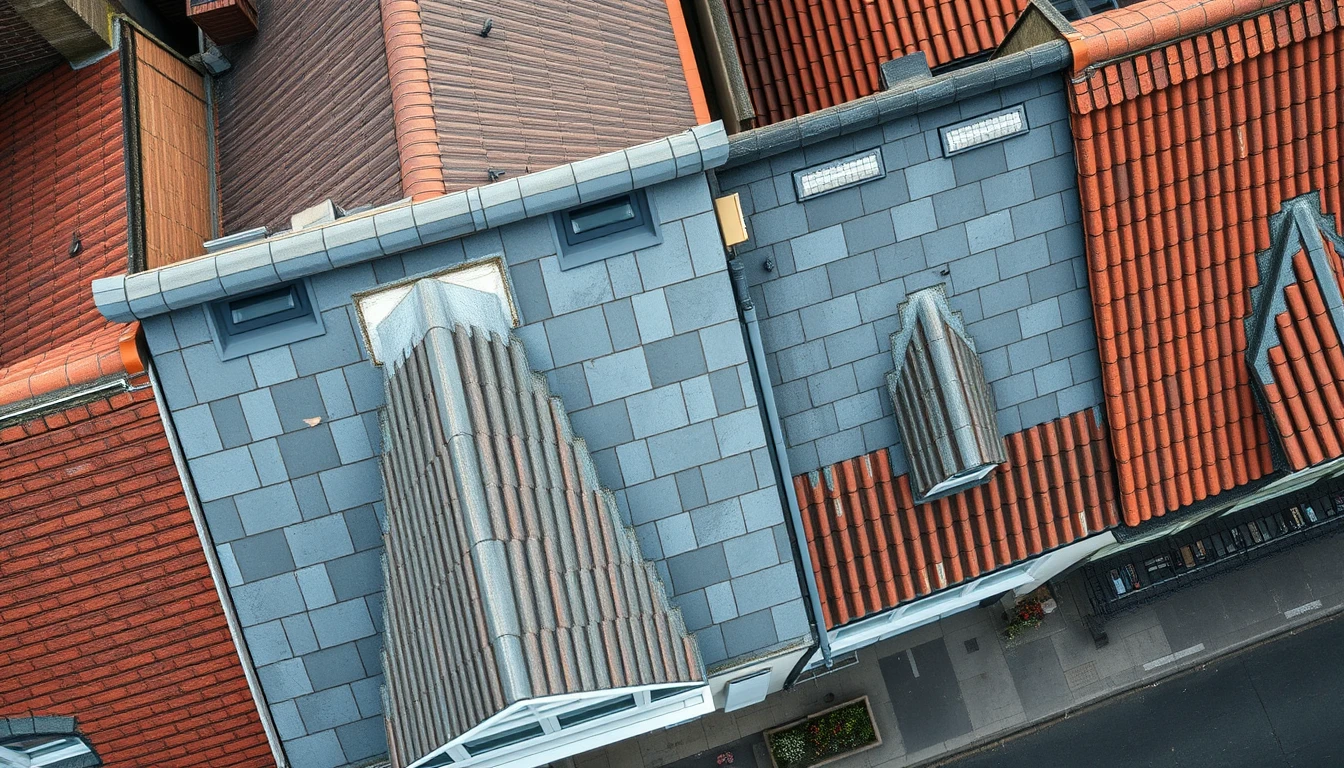
Choosing between slate and tile for a re-roof looks simple, until you price it out. At that point, lifespan, weight and appearance start pulling in different directions. There isn’t a universally right answer, since it depends on the age and structure of the house, and the look you want.
Lifespan
This is where the two materials differ most. Natural slate is remarkably long-lived: a well-installed slate roof typically lasts 80-100 years. Some sources put the upper range as high as 150-200 years for the best-quality slate on a well-maintained roof. That’s according to Checkatrade’s 2026 slate roofing cost guide. Concrete tiles, by contrast, are generally rated for 40-60 years. That’s still a long service life, but roughly half of what good slate can offer.
That gap matters if you plan to keep the house for decades. On a period property, a shorter-lived material can mean redoing the job again within one generation.
Weight and structural considerations
People often assume slate is heavier than tile, since it feels denser as a single piece. The opposite is often true once you account for coverage. Natural slate typically weighs around 25-45 kg per m². Concrete interlocking tiles come in heavier, at roughly 42-52 kg per m², per figures from Checkatrade.
That’s a real difference on an older roof, where old timbers often weren’t sized for modern loads. Slate often suits a period re-roof better, because older timbers can carry less extra weight. Newer houses, built to current span tables, have less need for that flexibility.
Cost per m²
Prices vary by slate origin and tile type, but here’s a general guide for 2026:
| Material | Typical installed cost per m² | Typical lifespan |
|---|---|---|
| Concrete tile | £55-£85 | 40-60 years |
| Spanish slate | £60-£90 | 80-100+ years |
| Natural Welsh slate | £90-£130 | 100+ years, often 150+ |
Figures are from Checkatrade’s slate roof cost guide. Spanish slate sits close to concrete tile on cost. It still offers most of slate’s longevity advantage, which is why it’s such a common middle-ground choice. Welsh slate carries a premium, partly for the material itself. It’s also the traditional choice for listed and conservation-area properties, where planners may expect it.
Appearance and suitability
- Slate has a flatter, finer texture and natural colour variation that reads as traditional and high-quality. It’s the default choice for period, listed and conservation-area properties, and anywhere the local style is already mostly slate.
- Tile — concrete or clay — comes in a far wider range of profiles, from flat interlocking styles to traditional plain tiles, and a broader palette of colours. It suits period and modern builds alike, and is usually the more budget-friendly option for larger roof areas.
Neither is objectively better looking. It’s about matching the material to the age and character of the building, while checking what planning guidance requires in a conservation area before you commit.
Maintenance over time
Both materials need occasional attention, but the nature of it differs. Slate roofs tend to fail one slate at a time. A single slipped or cracked slate is a quick, targeted repair, and a well-laid slate roof can go decades between issues. Concrete and clay tiles are generally more forgiving of foot traffic during other roof work. They’re less brittle underfoot than slate. They’re more prone to surface weathering, colour fade and moss growth on the porous surface over time, though. Neither issue rules a material out. They’re different maintenance profiles worth knowing before you commit.
It’s also worth factoring ridge and hip detailing, flashing and guttering into any quote, since these elements are common to both materials. They often make up a meaningful share of a re-roofing budget, regardless of which covering you choose.
The Henley factor
Henley-on-Thames has many period and listed buildings. Natural slate is the material you’ll see on most of its older roofs. That reflects Victorian and Georgian building practice as much as current taste. The same slate-heavy pattern shows up in parts of Wokingham too, wherever older cottages and listed buildings sit alongside newer estates.
If you’re re-roofing near Henley, check early whether the building is listed or in a conservation area. That can settle whether slate is required, rather than only preferred. Once you’ve settled on a material, our guide to slate and tiled roofing covers the process in more depth. Our page on re-roofing and new roofs covers the wider job.
Making the decision
As a rough guide, choose slate if you’re working on a period or listed property, plan to stay long-term, or want to minimise how often the roof needs replacing. Choose tile if budget is the main driver, the property is more modern, or you want a wider choice of colours and profiles.
If you’re re-roofing a 1930s semi, our guide to re-roofing a 1930s semi in Reading covers what that project typically involves. Our new roof cost guide for Reading gives a realistic budget either way. It’s also worth checking the seven signs your roof needs replacing, since some faults mean replacement regardless of covering. If the chimney needs attention too, our piece on chimney repointing and leadwork is worth a read. For a flat-roofed extension alongside the main roof, our comparison of flat roof options covers that separately.
If you’re weighing up slate against tile for your own roof, we’re happy to talk through both options in plain terms, including what’s realistic for your property and area. Get in touch for a free quote and we’ll help you work out which one makes sense for your house.