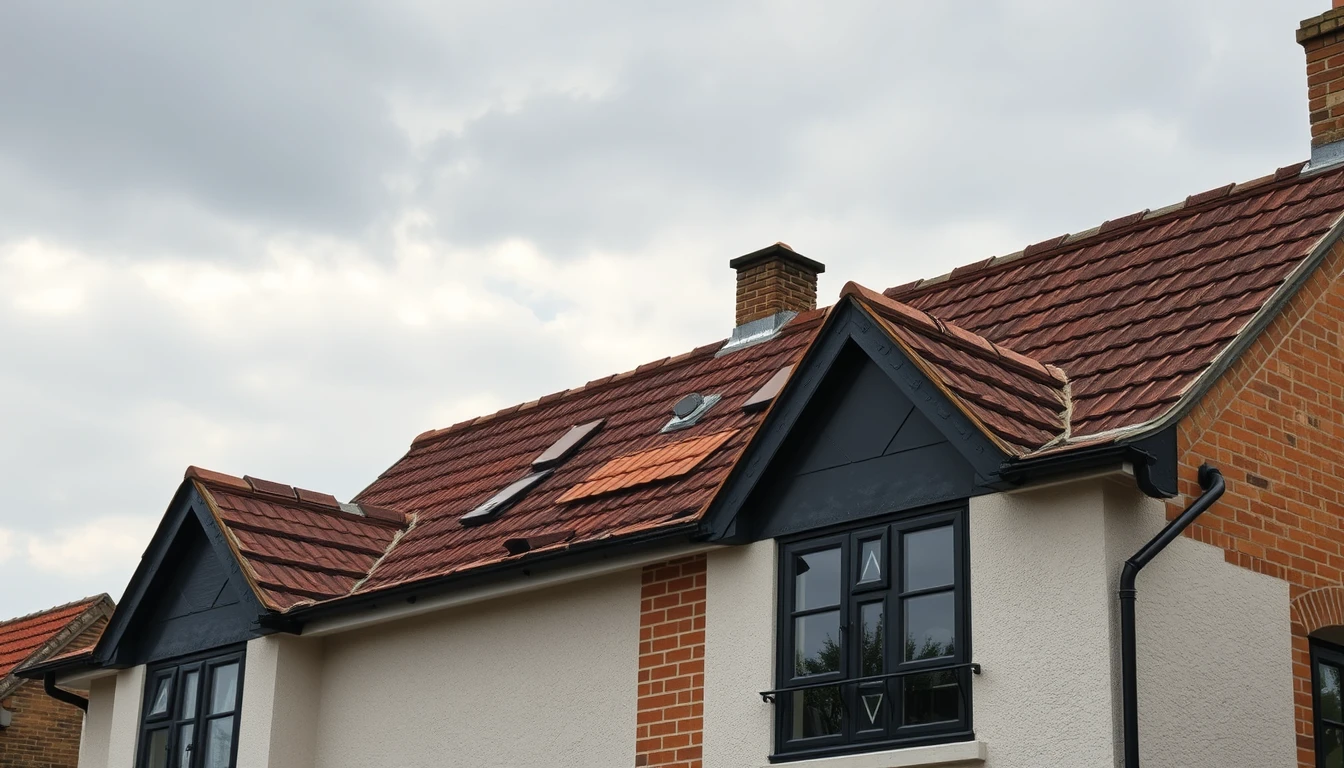
After a night of high wind, most people call the insurer before the roofer. That’s a sensible first move. Still, it helps to know what’s usually covered, and what isn’t.
What buildings insurance typically covers
Standard UK buildings insurance covers the structure of your home, including the roof. According to the Association of British Insurers, storm cover includes the main structure, the roof, ceilings, walls, windows and doors. A storm that rips off tiles, cracks a ridge, or drives a branch through the felt normally qualifies. That’s exactly the kind of event this cover exists for.
The ABI also defines a storm fairly precisely. It means gusts of at least 55mph. It also covers torrential rain of 25mm an hour or more, hail heavy enough to damage hard surfaces, or 30cm of snow in 24 hours. Anything close to that threshold strengthens a claim considerably, so it’s worth checking the Met Office record for your date and postcode before you call.
What it usually doesn’t cover
This is where most disputes start. Insurance isn’t a maintenance contract, and policies expect a property to have been kept in reasonable condition. An assessor might decide the tiles were already loose, or the flashing was already failing. If so, gradual wear and tear becomes a standard exclusion rather than an edge case. For example, GoCompare notes that insurers may treat leaks on a roof older than around 15 years as wear and tear, not storm damage.
In practice, that plays out like this:
- A few tiles blown off after named-storm winds — usually covered
- The same tiles slipping gradually over a mild winter with no storm event — usually not covered
- A chimney stack that comes down in high wind — usually covered, subject to the stack having been sound beforehand
- Ongoing damp from flashing that’s been failing for years — usually treated as maintenance, not an insured event
Fixing loose tiles, repairing flashing and clearing gutters regularly are exactly the preventative steps the ABI recommends. They reduce storm damage in the first place. As a result, they also protect your position if you ever need to claim.
Getting a smoother claim
A few habits make the difference between a straightforward payout and a drawn-out argument. Insurers respond faster when the evidence is clear and the report is prompt. Since that’s the case, it’s worth doing these before anything else:
- Photograph everything before you touch it — the damage, the surrounding area, and ideally the weather conditions (a screenshot of a Met Office warning for your date helps).
- Get a written repair quote, not just a verbal estimate, itemising what’s actually damaged rather than everything an insurer might be willing to fund.
- Don’t rush into a full re-roof because the scaffold’s already up. Insurers only fund the repair of storm-caused damage, and a contractor pushing for full replacement on a partial claim can slow things down or create a dispute over betterment.
- Report it promptly. Most policies have a notification window, and a gap of weeks between the storm and the claim invites the wear-and-tear question.
- Use a proper make-safe first if there’s an active leak — a tarpaulin and secured loose tiles now, a full assessment and quote once it’s safe to get up there properly.
If you need emergency roof repairs after a storm, getting someone out fast matters most. Stopping water ingress matters more than finishing the “final” repair on day one. A temporary cover buys time for the insurer’s process to catch up. Once the claim’s approved, a written quote for the roof repairs themselves gives the insurer something concrete to work from.
If water’s already coming through, our guide to what to do when your roof is leaking covers the immediate steps. And if you’re unsure whether it counts as an emergency, take a look at this rundown first — it explains what actually counts as one.
Henley’s period and listed properties add a layer
Henley-on-Thames has a genuinely high share of period and listed buildings, and that changes the picture slightly. Listed building consent is generally required for roof repairs on a listed property, even for like-for-like replacement of tiles or slates. That said, minor repairs carried out properly can often go ahead without consent. It’s the larger jobs, like re-pointing chimney stacks, that usually need sign-off from the local conservation officer.
Traditional materials on a listed roof, such as hand-made clay tiles or lead in specific gauges, also cost more and take longer to source. That’s worth factoring into how long an insurance-funded repair takes on an older Henley property. The same applies further out towards Maidenhead, where similar period housing raises the wear-and-tear question just as often.
If storm damage affects a shared wall or a neighbouring property, a Party Wall Act notice may also come into play before work starts. It’s a separate process from the insurance claim, so it’s worth raising with your insurer early.
Before you commit to a repair
Before you sign off any quote, our checklist on choosing a trustworthy roofer is worth reading. A rushed choice made under insurance pressure is exactly when a poor contractor gets picked. It also helps to know roughly what roof repairs cost in Reading, independent of the claim, so you can judge a quote fairly. If the damage looks more extensive than a patch repair, take a look at our guide to signs your roof needs replacing. It helps you tell a repair from a full re-roof. Similarly, if you haven’t checked the roof yet, our guide to spotting storm damage after high winds is worth a look before the assessor arrives.
If you’ve had storm damage in Henley-on-Thames and want a second opinion on what’s storm-related versus wear and tear, get in touch. We’ll come and take a proper look, and give you a written quote your insurer can work from. You can get a free quote here.